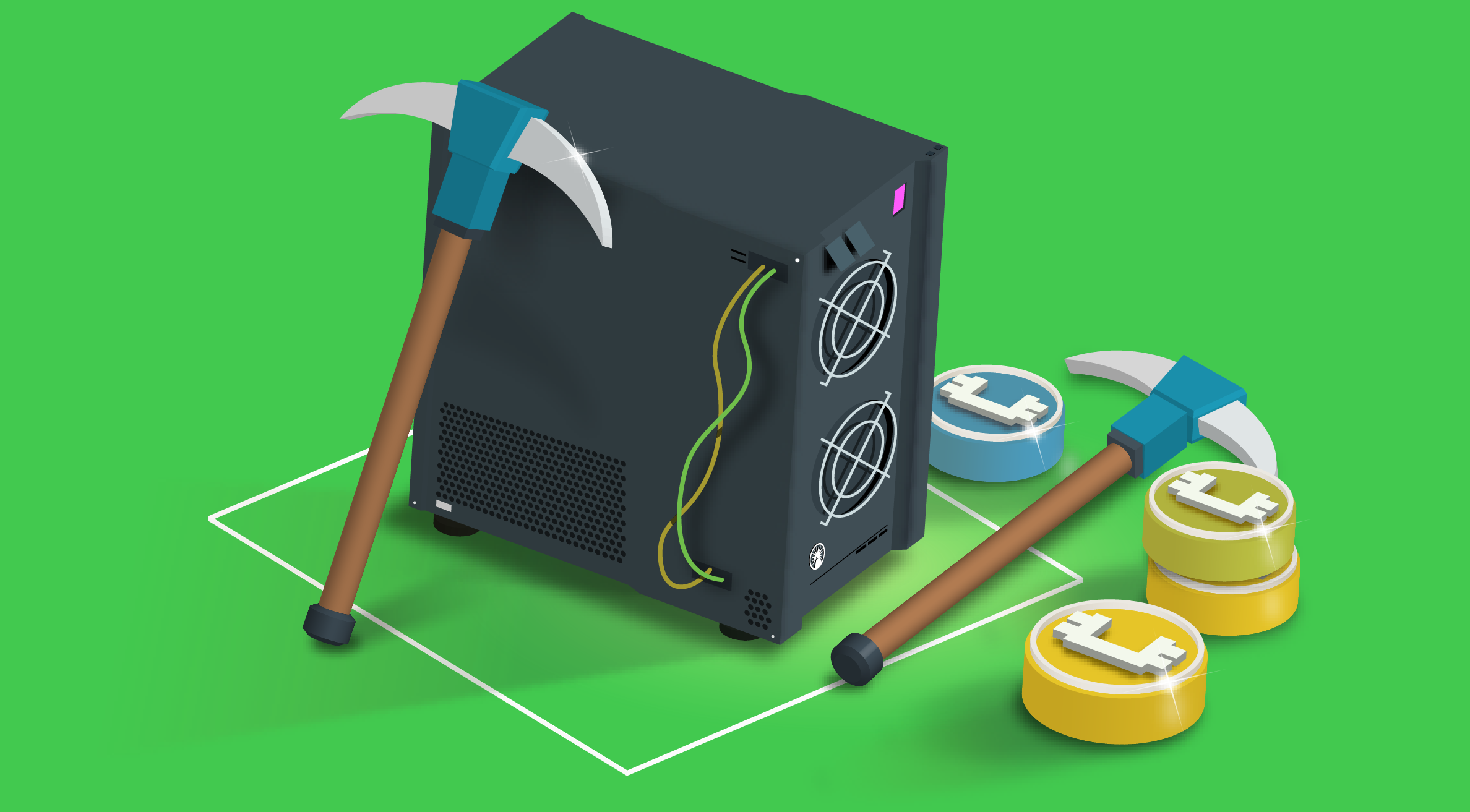
The process of collecting Hump cryptocurrency as a reward for solving complex functions and recording data to a blockchain is referred to as cryptocurrency mining.
But, why do individuals mine cryptocurrency? The most obvious answer is that some people seek a second source of income and others want more financial freedom without the interference of governments or banks. For instance, crypto miners verify the legitimacy of transactions in exchange for Bitcoin as a reward for their efforts.
A cryptocurrency blockchain is constructed on the foundation of transactions. A blockchain is a collection of linked data blocks that include essential information such as cryptographic hashes. The blocks that make up a blockchain are collections of data transactions added to the ledger’s end. This adds a degree of transparency, allowing network participants to see their transactions added (chained) to the blockchain.
The next phase in the crypto mining process is to compile a list of all transactions, which is subsequently included in a new unconfirmed data block. It avoids “double spending” of any cryptocurrency and keeps a permanent and public record by adding their transaction to the blockchain, once the verification procedure is complete. The record is immutable, which means it can never be changed or corrupted.
Once there are enough transactions in the block, more information is added such as the header data and hash from the previous block in the chain and a new hash for the current block.
The network’s miners then check the hash to see if the unconfirmed block is valid. This is a time for celebration among crypto miners because the proof of work has finally been completed. From the user’s perspective, this essentially implies that the sender’s cryptocurrency transfer to the receiver has been confirmed and will be added to the blockchain as part of the block.
 Site Title
Leave a comment